



The Duke and Duchess of Sussex reportedly prefer to be regarded as public figures — but Buckingham Palace is maintaining a clear distinction between family ties and official royal duties.
Prince Harry and Meghan Markle are once again at the center of a debate over how their position should be described following their return to Britain.
The latest disagreement concerns two seemingly simple words: “private citizens.”
According to sources close to the Sussexes, Harry and Meghan would prefer the term “public figures”, reflecting their international profiles and continuing public-facing work.
Buckingham Palace, however, has made clear that the couple’s return to the UK has not altered the arrangement established when they stepped away from official royal duties.
And that difference has reopened a much larger question about where Harry and Meghan now fit in relation to the monarchy.
Palace Makes The Boundary Clear
The latest controversy followed the release of formal guidance issued on behalf of King Charles.
The Palace confirmed that Harry and Meghan have not returned as working royals, meaning their appearances and activities should not automatically be treated as official engagements undertaken for the Crown.
The guidance characterized their current position as broadly comparable to private citizens who maintain commercial and charitable interests.
It also indicated that this approach remained consistent with arrangements established following the couple’s departure from royal duties in 2020.
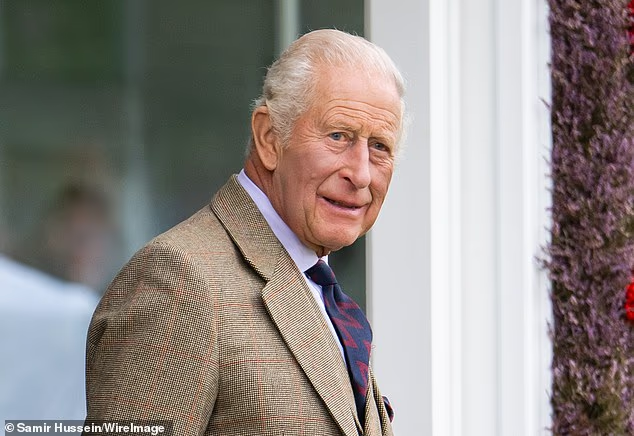
For the Palace, therefore, the message appears to be one of continuity rather than change.
Harry and Meghan may remain members of the Royal Family personally, but that does not mean they have resumed an institutional role within the monarchy.
Sussex Camp Prefers A Different Description
Sources representing the Sussex position have challenged one part of that characterization.
They reportedly believe “public figures” is a more appropriate description than “private citizens.”
Their argument appears to distinguish between two different issues: the couple no longer performs official duties or receives the benefits associated with being working royals, but they nevertheless remain internationally recognized personalities and members of the King’s family on a personal level.
That distinction may sound subtle, but in the context of the Royal Family it carries considerable significance.
Being a member of the King’s family is not necessarily the same thing as representing the King.
And it is that boundary Buckingham Palace appears determined to preserve.
Questions Over How Much Warning They Received
The manner in which the guidance was released has also become part of the story.
The Sussex team said they received the document shortly before it became public and hoped there would be an opportunity to clarify several points.
According to the timeline presented by their representatives, the document arrived at 1:59 p.m. Their team responded at 2:19 p.m., but Harry was reportedly unavailable at the time because he was visiting Tower Bridge Studios.
By shortly after 3 p.m., they learned that the guidance had already been distributed to the media.
That sequence contributed to claims that the couple had been caught off guard by the announcement.
Security Discussions Add Another Layer
The timing has attracted additional attention because the guidance emerged around the same period that Harry’s security arrangements in Britain were being considered.
Sources close to the Sussexes reportedly questioned whether the timing might have had some connection to those discussions.
However, the account in the source states that this suggestion was rejected. Instead, the guidance was described as an attempt to provide clarity ahead of a busy schedule of public activity involving the couple.
That distinction is important because the debate over Harry’s security and the question of his royal status are separate issues, even though they have increasingly become intertwined in public discussion.
Could A ‘Half-In, Half-Out’ Arrangement Ever Work?
Behind the disagreement lies an issue that has followed Harry and Meghan since their departure from frontline royal life.
Could they maintain highly visible commercial and charitable careers while simultaneously retaining some form of public royal identity?
Palace insiders cited in the source argue that the latest dispute demonstrates why such a hybrid arrangement would be difficult to sustain alongside the couple’s private commercial interests.
The current Palace position instead draws a much clearer line.
Harry and Meghan can remain famous.
They can undertake charitable work, build businesses and make public appearances.
And they remain connected to the Royal Family through personal and family relationships.
But none of those things, by themselves, make them working representatives of the monarchy.
Family Members — But Not Working Royals
That may ultimately be the most important distinction in the latest disagreement.
The Sussexes’ reported preference for “public figures” acknowledges something that is difficult to dispute: Harry and Meghan continue to attract enormous public attention.
The Palace’s position addresses a different question — whether that public visibility should carry an official royal dimension.
For now, the answer from Buckingham Palace appears unchanged.
Harry and Meghan may remain two of the world’s most recognizable royal figures, but their fame does not mean they have returned to representing the Crown.
And as the couple begins a new chapter in Britain, the difference between being royal by family connection and being a working royal may become more important than ever.