



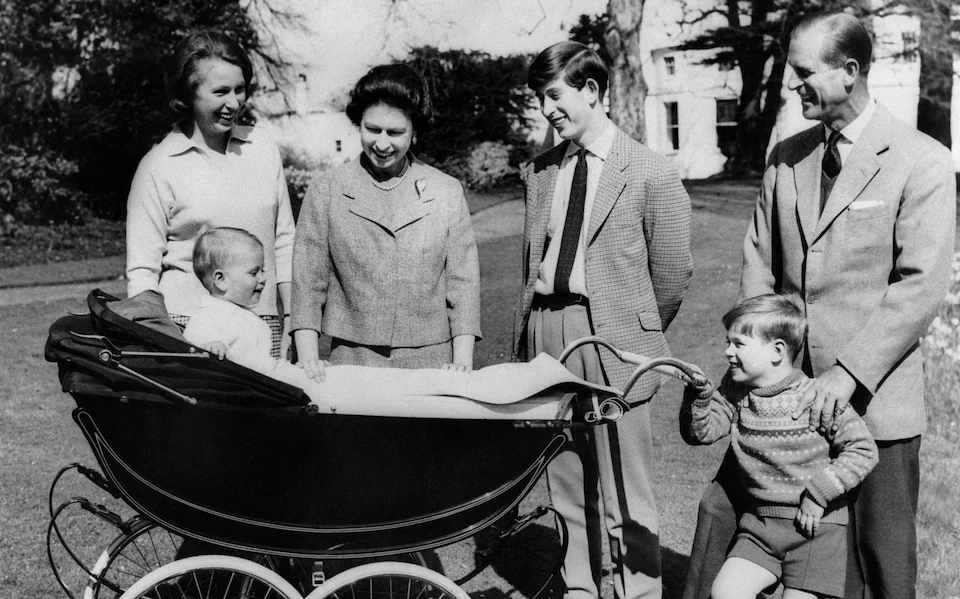
In the days following the death of Queen Elizabeth II, the world witnessed a rare and powerful image — her four children standing together in silent tribute. King Charles III, Princess Anne, Prince Andrew and Prince Edward appeared united in grief, a moment that symbolised family strength and continuity.
But behind that moment of unity lies a far more complex story.
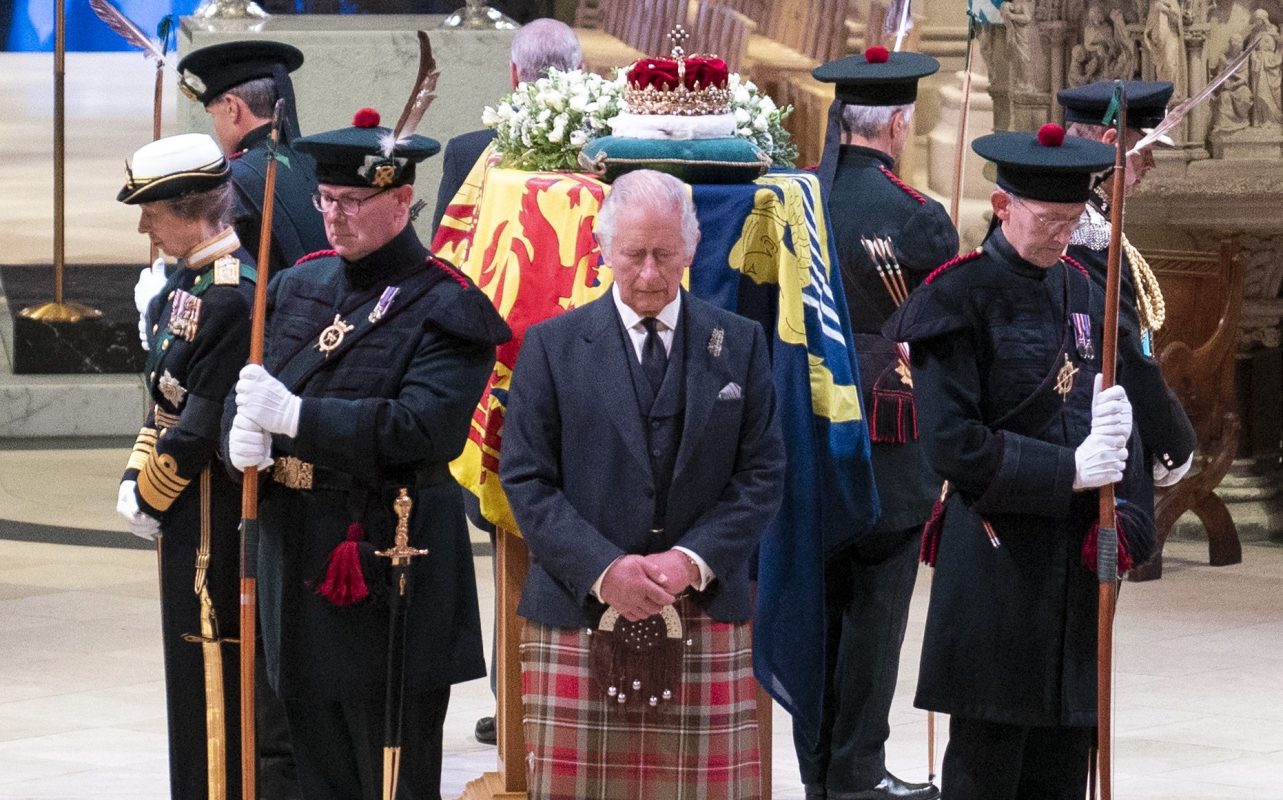
Over the decades, the late Queen’s children have lived very different lives. Raised during a time when royal duty often came before family life, their early years were shaped by distance, strict routines and long separations from their parents.
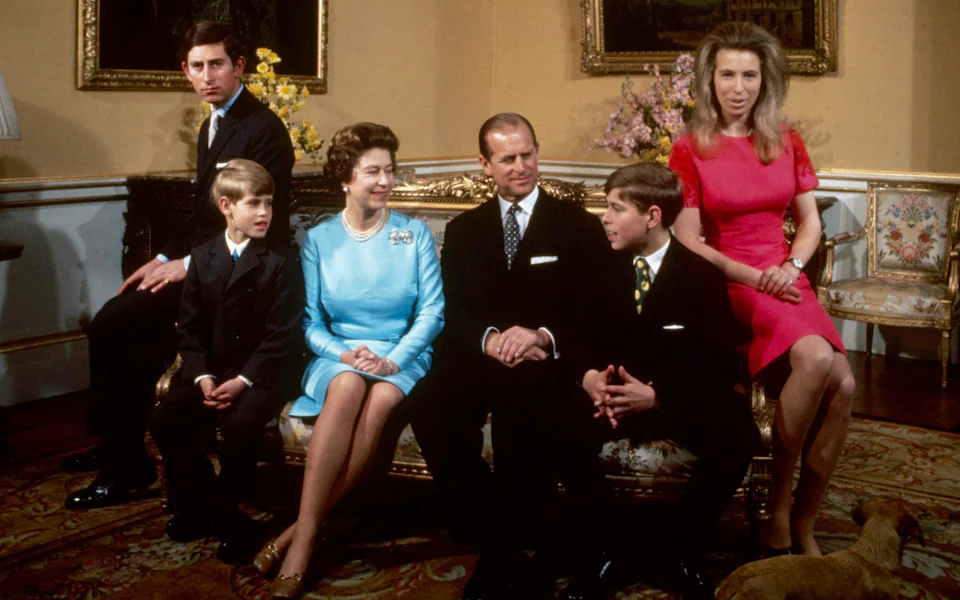
The two eldest, Charles and Anne, grew up under intense expectations after their mother became Queen. Meanwhile, Andrew and Edward experienced a somewhat more relaxed upbringing, benefiting from a period when their parents could spend more time at home.
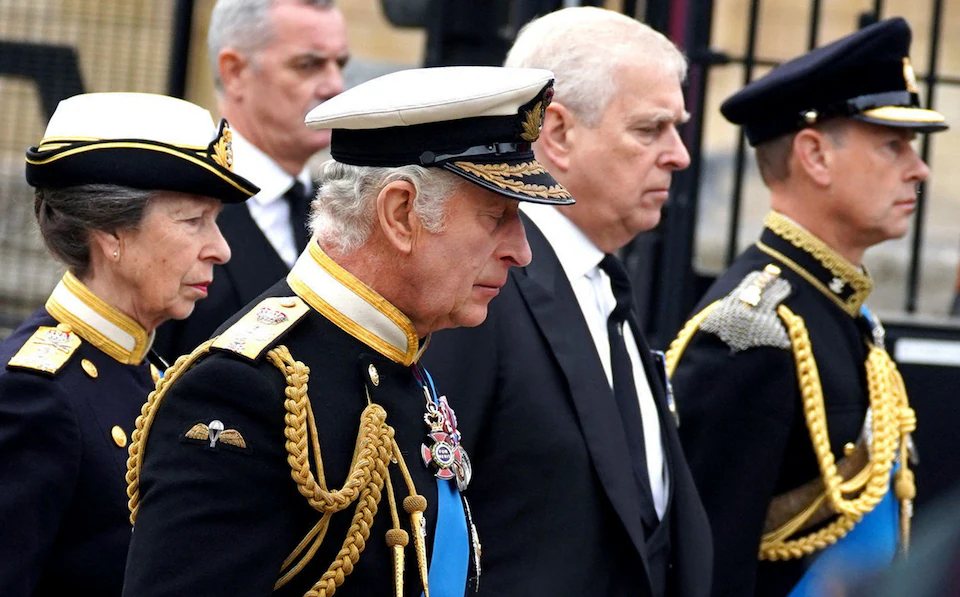
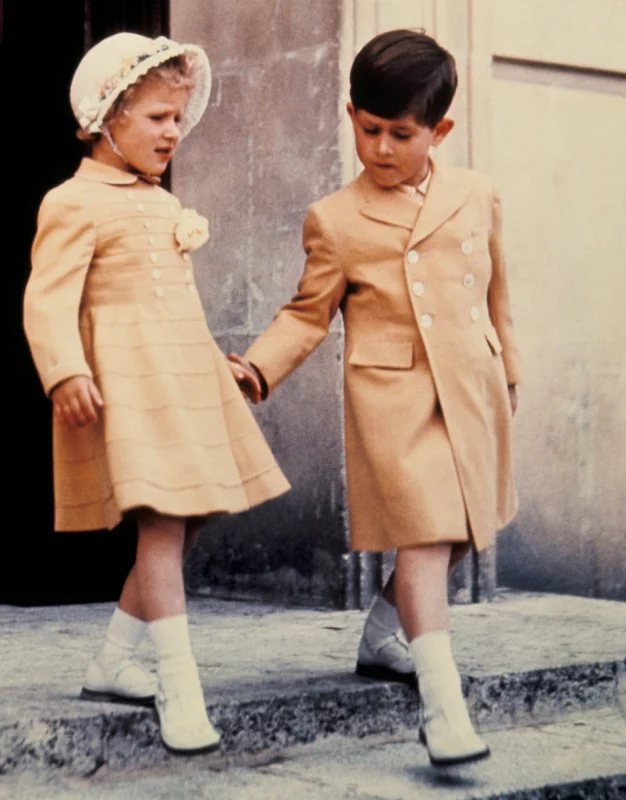
Despite these differences, the siblings shared strong bonds in their younger years. Charles and Anne were particularly close as children, while Anne later took on a caring, almost maternal role for her younger brothers. Edward, the youngest, often relied on his siblings for guidance, especially during key moments in his life.
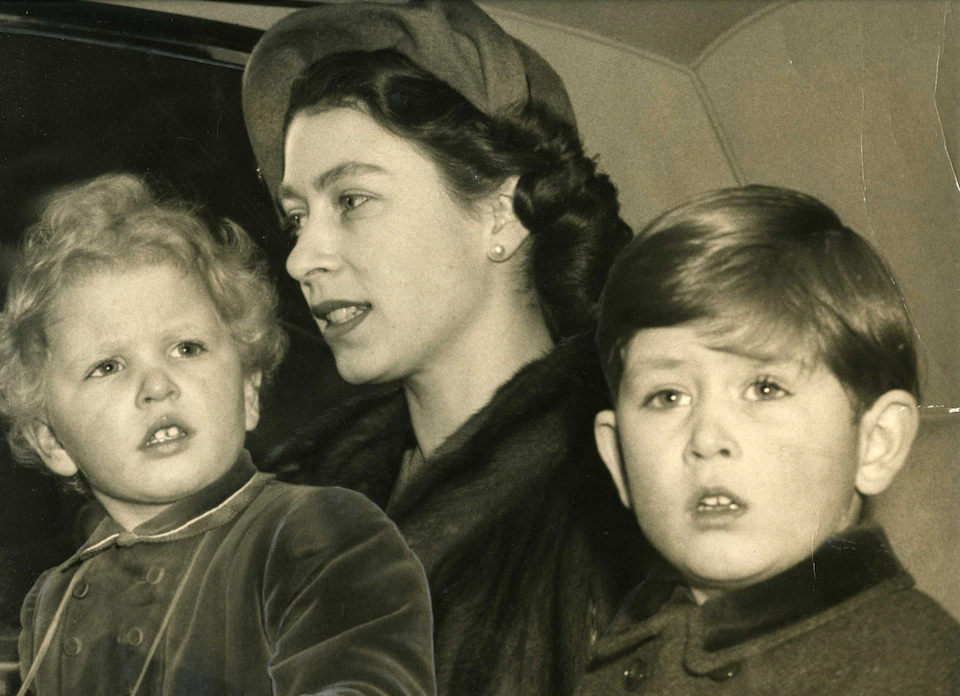
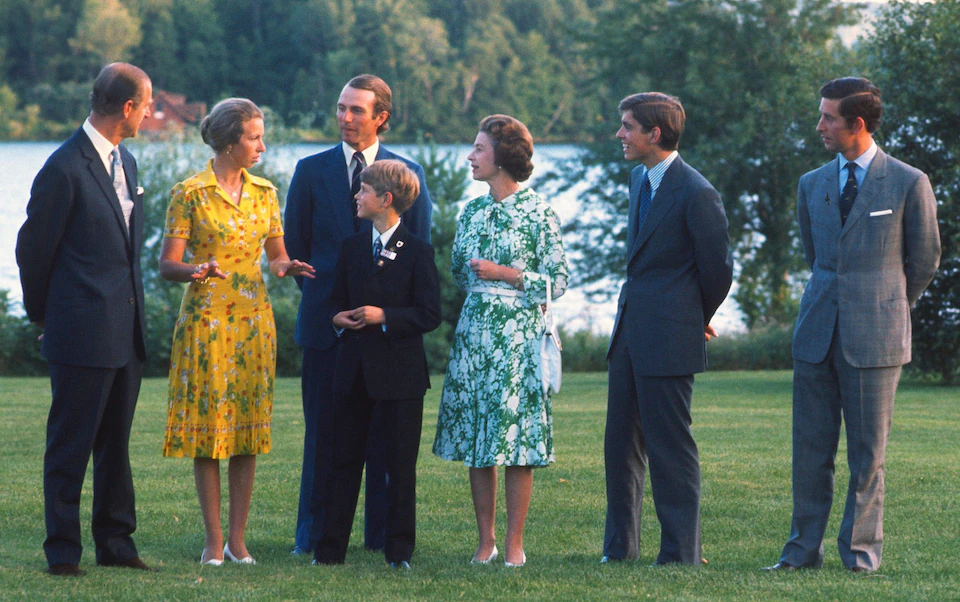
As adults, however, their paths diverged. Each built separate lives, careers and public identities, and they were rarely seen interacting closely in public.
In recent years, tensions within the family have become more visible — particularly following the controversies surrounding Prince Andrew. The fallout from the Epstein scandal has placed significant pressure on the monarchy and altered relationships within the family.
King Charles has taken a firm public stance, distancing the institution from his younger brother and prioritising the monarchy’s reputation. At the same time, there are indications that private contact between the siblings still exists. Reports suggest that Prince Edward has visited Andrew, while Princess Anne is believed to have maintained communication.
These gestures, though largely behind the scenes, hint at a complicated balance between duty and personal loyalty.
Throughout their lives, the four siblings have experienced both closeness and conflict — shaped by their unique upbringing and the extraordinary roles they were born into.
Today, while they may no longer present the same united front as in the past, their shared history remains undeniable.
In rare lighter moments, glimpses of that bond still appear — reminding observers that, beyond the titles and responsibilities, they are, above all, a family.