



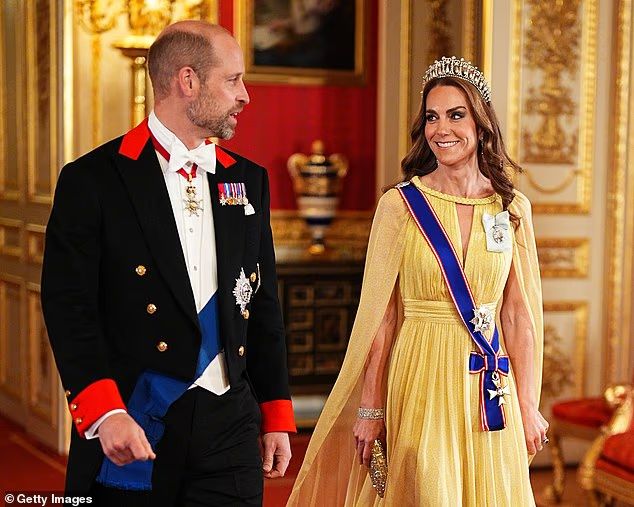
The Prince and Princess of Wales are embracing a fresh approach to royal life, combining Hollywood appearances, candid conversations and meaningful public engagements to reshape the monarchy’s relationship with a new generation.
Prince William and Princess Catherine appear to be entering a new chapter in their royal journey — one that could have lasting implications for the future of the British monarchy.
Rather than relying exclusively on traditional ceremonies, carefully scripted speeches and formal palace appearances, the couple have increasingly embraced opportunities to connect with the public in more relaxed and personal settings.
From television interviews and celebrity encounters to sporting events and charitable initiatives, William and Kate are demonstrating that royal influence does not always require elaborate displays of grandeur.
Their evolving approach suggests a monarchy seeking to remain relevant in a changing world while preserving the sense of duty that has long defined the institution.
And perhaps the most interesting aspect of this transformation is that it is happening without an obvious attempt to dominate the headlines.
Prince William’s Unexpected Television Appearance Captures Attention
One of the clearest examples of William’s changing public image came during his recent appearance on The Graham Norton Show.
The Prince of Wales joined a celebrity lineup that included Cate Blanchett, Hannah Waddingham and Robert Irwin, bringing an unexpectedly informal atmosphere to an engagement that might once have seemed unusual for a future king.
Although William used the opportunity to discuss his environmental initiative, the Earthshot Prize, it was his humour and willingness to share personal stories that attracted particular attention.
He entertained the audience with an anecdote about a crocodile named in his honour and admitted that he had participated anonymously in online discussions involving his beloved football club, Aston Villa.
He also spoke lightheartedly about his youthful interest in becoming a DJ, despite knowing that his future had already been shaped by his royal responsibilities.
The interview offered viewers a different perspective on the Prince of Wales.
Instead of appearing solely as a senior representative of the Crown, William came across as someone comfortable laughing at himself and engaging in ordinary conversations.
A social media clip from the programme reportedly attracted more than 1.2 million likes on Instagram, illustrating the public interest generated by his less formal approach.
For many royal observers, the appearance represented more than an entertaining television moment. It suggested that William understands the importance of reaching audiences who may not normally follow traditional royal engagements.
A More Personal Side of the Future King
William’s willingness to step beyond conventional royal settings has become increasingly apparent.
During an appearance on Eugene Levy’s travel series The Reluctant Traveller, the Prince welcomed the Canadian actor to Windsor Castle and offered an unusually personal account of his experiences.
Their conversation covered family responsibilities, the pressures of public life and the challenges William faced during a particularly difficult period.
With both King Charles and Princess Catherine having experienced cancer diagnoses, the Prince spoke about the emotional strain placed on his family.
The discussion revealed a degree of openness rarely associated with the monarchy’s traditional preference for privacy.
William also addressed his hopes for the institution he will one day lead.
Rather than presenting himself as someone determined to preserve every existing convention, he indicated that thoughtful reform would form part of his future responsibilities.
His comments suggested an interest in meaningful improvements rather than dramatic changes introduced simply for publicity.
This distinction may be central to understanding the direction William hopes to take.
He appears increasingly willing to reconsider how royal duties are carried out while maintaining respect for the institution’s history.
William and Kate Are Bringing Royalty Closer to Popular Culture
The Prince and Princess of Wales have also become more visible in entertainment and popular culture.
Their appearances alongside internationally recognised figures have created opportunities to reach audiences beyond those traditionally interested in the Royal Family.
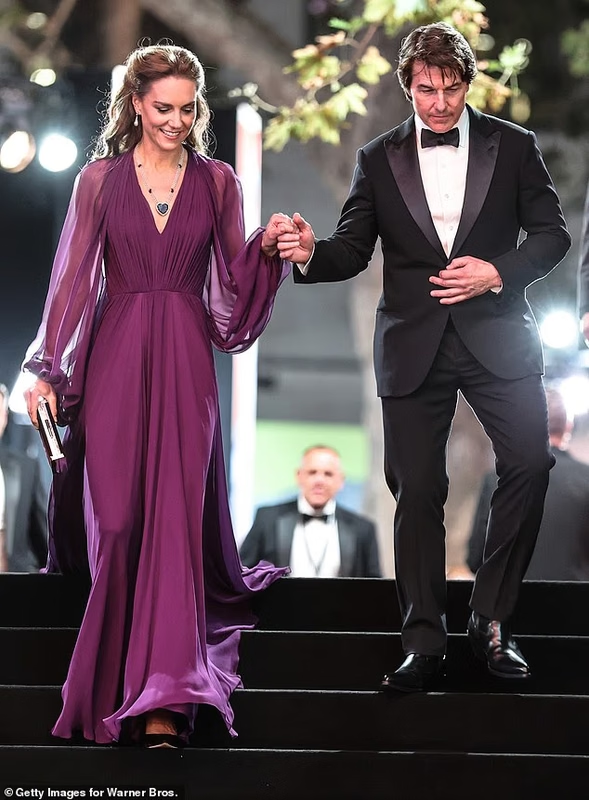
At a London film premiere, William and Catherine attracted considerable attention as they joined Hollywood actor Tom Cruise.
The event, held in support of the Film and TV Charity, combined the glamour of the entertainment industry with a charitable purpose.
Cruise spoke warmly about the couple, praising their commitment to public service and their contributions to the country.
William has also explored less conventional forms of public engagement, including an appearance on the New Heights podcast associated with American football stars Travis and Jason Kelce.
The Prince’s connection with Travis Kelce had already attracted attention following a backstage meeting at Taylor Swift’s Wembley concert in June 2024.
A photograph featuring Swift, Kelce, William, Prince George and Princess Charlotte quickly became a memorable crossover between royal life and international pop culture.
During his television interview, William later joked about not initially understanding the significance of Kelce’s presence in the photograph.
These moments have helped present the future king as someone who can participate naturally in contemporary culture without abandoning his official role.
For a monarchy facing the challenge of maintaining public interest across generations, such appearances may prove particularly valuable.
Princess Catherine’s Role in the Monarchy’s Changing Image
Although William has received attention for his recent interviews and media appearances, Catherine remains an essential part of the couple’s evolving public identity.
The Princess of Wales has long been associated with a carefully balanced combination of elegance, accessibility and commitment to charitable causes.
Her public engagements frequently focus on issues affecting families, children and communities, particularly the importance of early childhood development.
Alongside these established priorities, Catherine’s appearances at cultural and entertainment events have helped introduce a more contemporary dimension to royal life.
Together, William and Kate represent a partnership that combines traditional royal responsibilities with a more approachable public image.
Their ability to move between formal state occasions and relaxed public settings illustrates the balance they appear determined to achieve.
Rather than attempting to replace the monarchy’s ceremonial identity, the couple seem interested in expanding the ways it can engage with modern society.
Why Sir Kevin Sinfield’s Leadership Has Made an Impression on William
One of the most revealing insights into William’s approach to leadership emerged from his admiration for former rugby player Sir Kevin Sinfield.
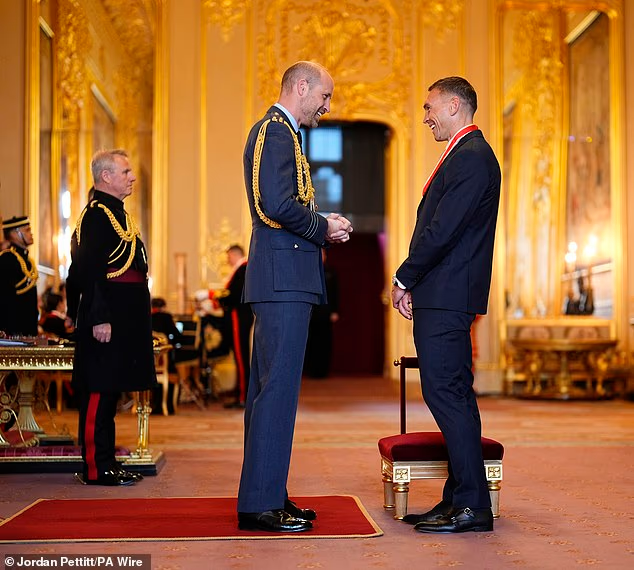
Sinfield has become widely respected for his extraordinary fundraising efforts in support of people affected by motor neurone disease.
His endurance challenges, inspired by his friendship with the late rugby player Rob Burrow, have raised approximately £13 million.
William and Catherine previously surprised Sinfield during one of his demanding fundraising challenges, while the Prince later recognised his achievements at Windsor Castle.
In the BBC documentary Thank You Sir Kev, William reflected on the qualities that make Sinfield’s leadership particularly effective.
He praised the former rugby star’s humility and his ability to make a meaningful difference without constantly seeking recognition.
The Prince’s admiration appeared to extend beyond Sinfield’s fundraising achievements.
It also reflected a broader philosophy: leadership should be judged by the positive changes it produces rather than the attention it attracts.
This perspective offers an interesting way to interpret William and Catherine’s recent public engagements.
Although their appearances sometimes generate considerable media interest, many remain connected to charitable initiatives, environmental causes or efforts to raise awareness of important social issues.
The celebrity attention may help bring audiences to these causes, but it is not necessarily the ultimate objective.
A Royal Approach That Places Purpose Before Publicity
William’s environmental work provides another example of this philosophy.
Through the Earthshot Prize, the Prince has sought to highlight practical solutions to major environmental challenges.
His willingness to discuss the initiative in entertainment programmes and informal settings suggests that he sees value in communicating important messages beyond traditional royal channels.
A recent cricket event involving prominent international players similarly demonstrated how sport can be used to promote shared goals and encourage public participation.
By combining familiar activities with wider charitable or environmental objectives, William has found opportunities to make royal engagements feel more accessible.
This approach may also help explain why the couple’s appearances have become increasingly varied.
A television interview, a sporting event and a film premiere might appear unrelated at first glance.
However, each offers a different opportunity to engage with people, attract attention to worthwhile causes and strengthen the monarchy’s connection with contemporary society.
What Could This Mean for the Future of the British Monarchy?
The British monarchy has repeatedly adapted to changing public expectations throughout its history.
Queen Elizabeth II maintained a strong emphasis on continuity, duty and institutional stability during her seven-decade reign.
King Charles III has brought his own priorities to the throne, particularly his longstanding interests in environmental protection and community development.
William and Catherine now face the task of preparing for a future in which public expectations of royal figures may be very different from those of previous generations.
Social media, digital entertainment and the growing demand for authenticity have transformed the way public figures communicate.
For younger audiences, a carefully staged palace photograph may not create the same sense of connection as an unscripted conversation or a moment of spontaneous humour.
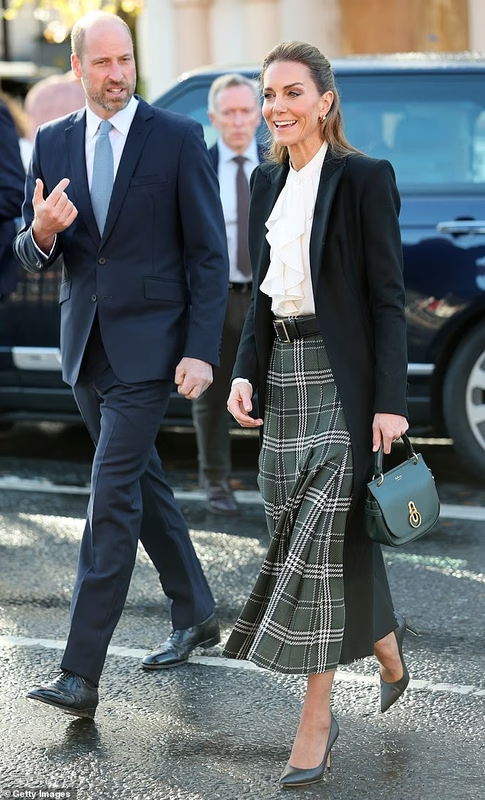
William appears increasingly aware of this distinction.
His recent appearances suggest that he does not believe royal dignity must depend on emotional distance or strict formality.
Instead, he seems willing to explore a more personal style of leadership, provided it remains consistent with his responsibilities.
Catherine’s continued involvement in charitable initiatives and public engagements complements that direction, helping the couple present a united image of service and modernity.
A Quiet Transformation With Potentially Lasting Consequences
It remains too early to determine how significantly William and Catherine’s approach will reshape the monarchy in the years ahead.
Public enthusiasm for celebrity appearances does not automatically translate into lasting confidence in an institution, and the couple will continue to face the challenge of balancing visibility with meaningful public service.
Nevertheless, their recent activities reveal a noticeable willingness to experiment with how royal responsibilities are communicated.
They are stepping into settings that previous generations of senior royals might have approached more cautiously, while continuing to support established charitable and ceremonial commitments.
What makes this development particularly interesting is the absence of an openly dramatic campaign to reinvent the institution.
Instead, change appears to be emerging through individual decisions, new forms of engagement and a greater willingness to show the personalities behind the titles.
For Prince William and Princess Catherine, the future of the monarchy may depend less on commanding attention and more on demonstrating why the institution still matters.
And if their recent appearances are any indication, Britain’s future king and queen are already exploring how to achieve that balance — one carefully considered step at a time.