



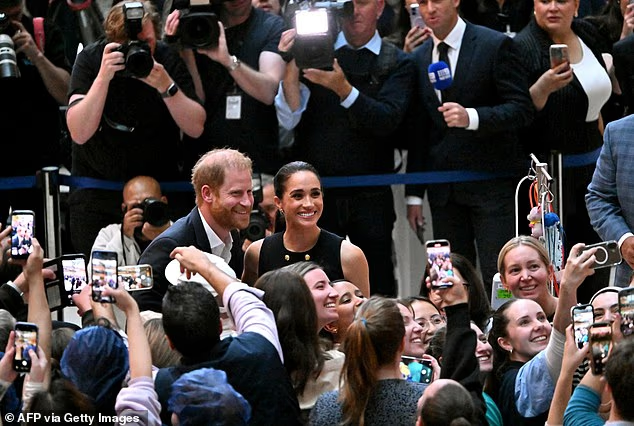
Meghan Markle has encouraged Australians to drop formal titles and simply call her “Meg” as she and Prince Harry begin a high-profile visit to Australia — a trip that has already sparked debate.
During their first public appearances, aides reportedly reassured staff that the couple prefer a relaxed approach, saying “Harry and Meghan” is perfectly fine. When asked directly how she wished to be addressed, Meghan smiled and replied: “Call me Meg.”
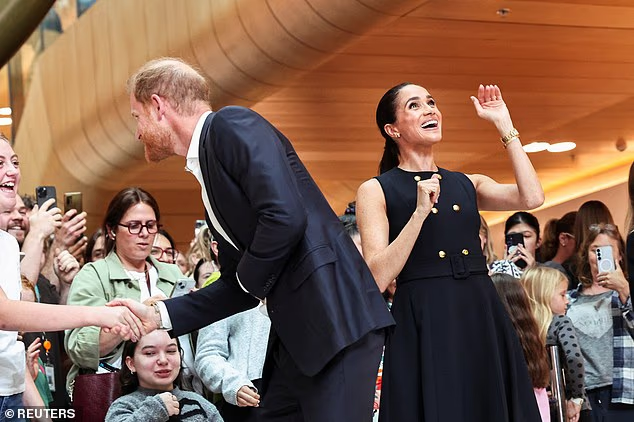
The visit marks the start of a four-day tour across Melbourne, Canberra and Sydney, combining charity engagements with business-related appearances. The couple kicked things off in Melbourne, where they spent time meeting young cancer patients and their families at a children’s hospital, drawing warm applause from many in attendance.
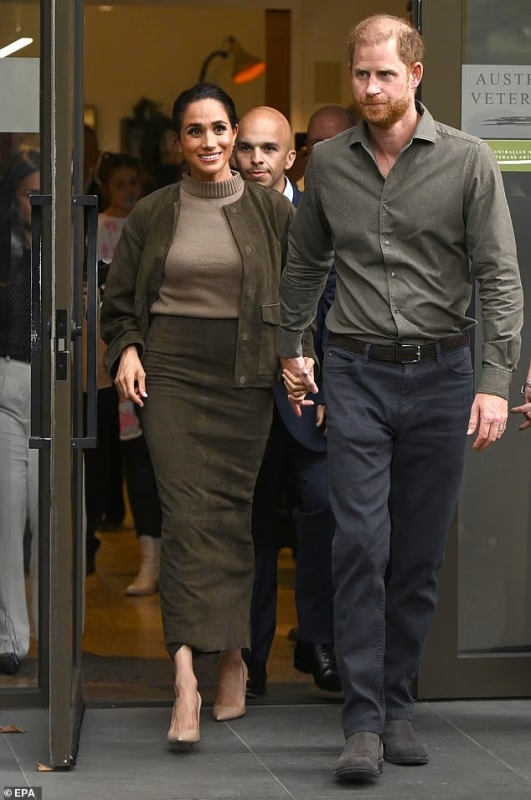
Meghan later visited a women’s refuge on her own, helping serve food and chatting with residents, before reuniting with Harry at a veterans’ arts center for a creative workshop session.

Despite the positive scenes, the trip has not been without criticism.
Some Australian politicians and public figures have questioned the cost of security for the visit, arguing that taxpayers should not be responsible for protecting wealthy public figures. Others have accused the couple of leveraging their royal connections for financial gain, suggesting the visit is more about personal branding than public service.

The controversy has been amplified by reports of high-priced events tied to the trip. A luxury “women’s retreat” featuring Meghan reportedly carries a hefty ticket price, while Harry is set to speak at a business summit with premium entry fees.
While supporters praised the couple’s charitable appearances, critics remain unconvinced about the purpose of the visit. Reactions from the public have been mixed — with some welcoming them warmly, while others openly questioned why they were there at all.
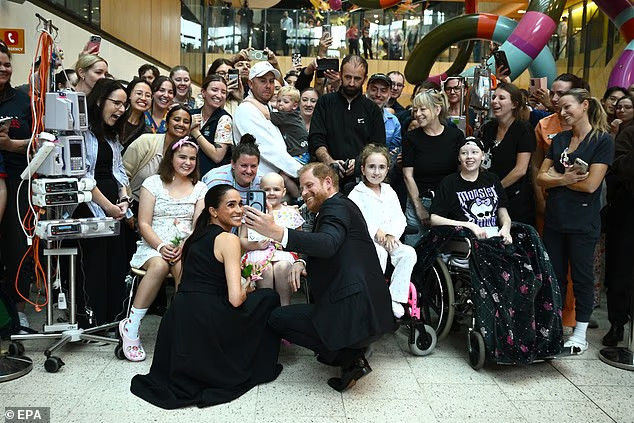
Harry, however, appeared unfazed, telling reporters it was “great to be back” in Australia.
Nearly a decade after their last official royal tour, this visit highlights how much has changed — not just in their roles, but in how they are perceived around the world.