



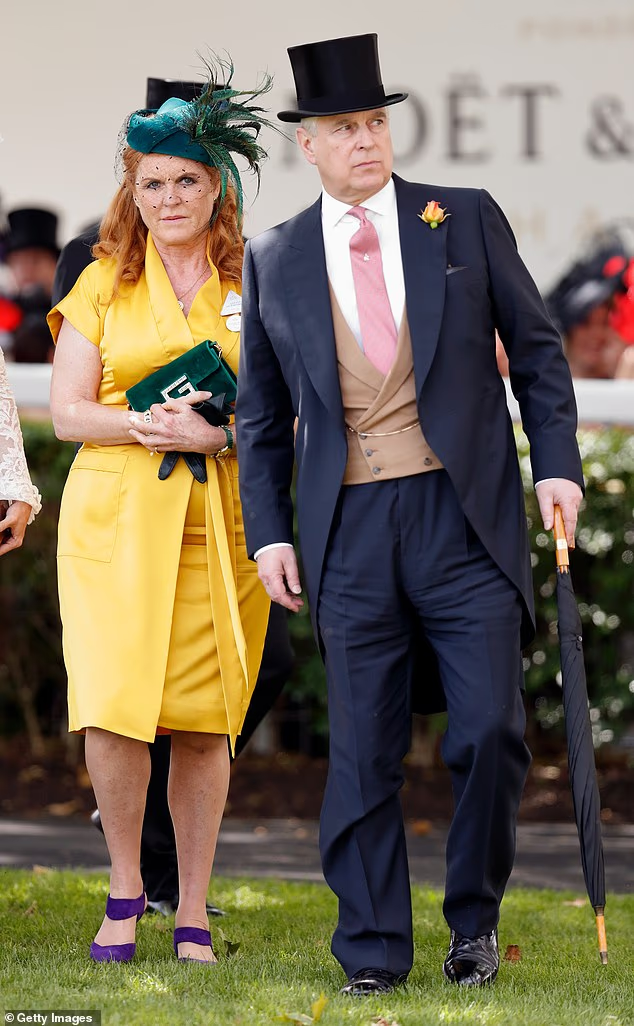
The monarch has reportedly used his private funds to help his younger brother settle a costly property dispute — raising fresh questions about Andrew Mountbatten-Windsor’s finances following his departure from the Windsor mansion.
King Charles III has reportedly stepped in to help his younger brother, Andrew Mountbatten-Windsor, settle a staggering £1.5 million repair bill after the former prince surrendered the lease on Royal Lodge.
The payment follows an assessment revealing that the 30-room Windsor mansion, where Andrew lived for more than two decades, required approximately £1.8 million in repairs.
However, Andrew’s final liability was reduced after the Crown Estate determined that he was entitled to around £302,000 in compensation for giving up his lease decades ahead of schedule.
According to royal sources, Charles has provided the remaining money from his private income, reportedly as a loan, to ensure the Crown Estate receives the payment without placing the financial burden on taxpayers.
Royal Lodge Left Facing A Multimillion-Pound Repair Problem
Andrew occupied Royal Lodge from 2003 until early 2026, sharing the Windsor property for many years with his former wife, Sarah Ferguson.
Situated within Windsor Great Park, the substantial residence includes 30 rooms and extensive surrounding grounds.
Although Andrew reportedly spent approximately £7.5 million renovating the property when he first took possession, his lease required only a symbolic annual rent of one peppercorn, if requested.
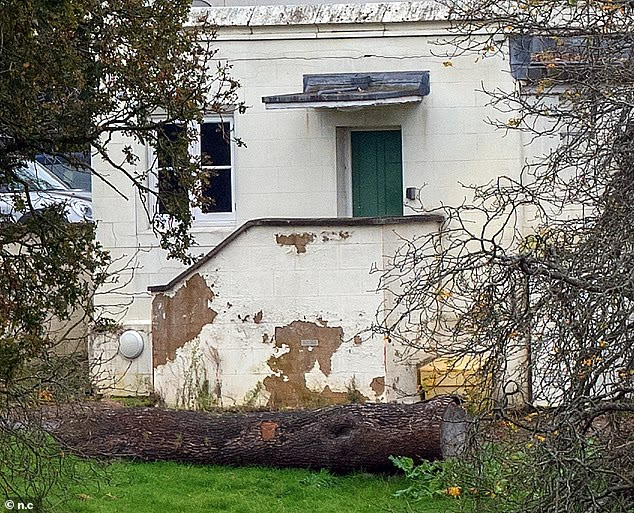
In exchange, he was responsible for maintaining the property and carrying out necessary repairs.
Following his departure, independent assessors identified extensive work required before Royal Lodge could be put to another use.
The reported problems included deteriorating exterior walls, repairs to the main residence, significant work on an outbuilding and restoration of parts of the grounds.
The total cost of addressing the property’s condition was assessed at approximately £1.8 million.
Why Andrew Received A £302,000 Reduction
Despite the substantial repair bill, Andrew was entitled to compensation under the terms of his original lease.
The Crown Estate confirmed that the agreement had been surrendered more than 50 years before its scheduled expiration.
Because the lease ended within its first 25 years, a provision linked to Andrew’s original refurbishment investment entitled him to compensation.
That amount was calculated at approximately £302,000.
Rather than receiving the money directly, Andrew had the sum offset against his outstanding repair obligations.
The arrangement reduced the Crown Estate’s net payment to approximately £1.5 million.
The organisation confirmed that Andrew had vacated the property and that the financial settlement had been completed following an independent assessment.
It also explained that recovering the property decades earlier than expected could allow additional financial value to be generated for the public.
Why Charles Reportedly Agreed To Pay
The King’s decision to provide the money has attracted particular attention given Andrew’s controversial departure from royal life.
Sources familiar with the situation claim Charles felt he had little practical choice but to help his brother resolve the outstanding obligation.
The reported priority was to prevent the cost from falling on public finances and ensure that the Crown Estate received the money promptly.
Although the payment has been described as a loan, it remains unclear whether Andrew will ultimately repay the King.
Buckingham Palace has declined to discuss any repayment arrangements, describing the issue as a private matter between the brothers.
The reported financial assistance has also revived speculation about Andrew’s personal wealth.
While claims that Charles provides his brother with an annual allowance approaching £1 million have reportedly been disputed, Andrew is still understood to receive private financial support.
Royal sources suggest that the King’s involvement reflects concerns about what might happen if Andrew were forced to seek money elsewhere.
The Payment Comes Amid Andrew’s Legal Battle
The financial arrangement has emerged alongside a separate legal dispute involving Andrew and Thames Valley Police.
According to court proceedings reported this week, Andrew has launched a judicial review challenging searches carried out at his properties earlier in 2026.
The challenge also concerns the judicial authorisation of the search warrants.
The timing has prompted questions about whether the King’s financial assistance could indirectly ease pressure on Andrew’s personal resources while he pursues legal action.
However, palace sources have insisted that the two matters are entirely separate.
Charles is understood to have prohibited the use of his money to fund Andrew’s legal challenge.
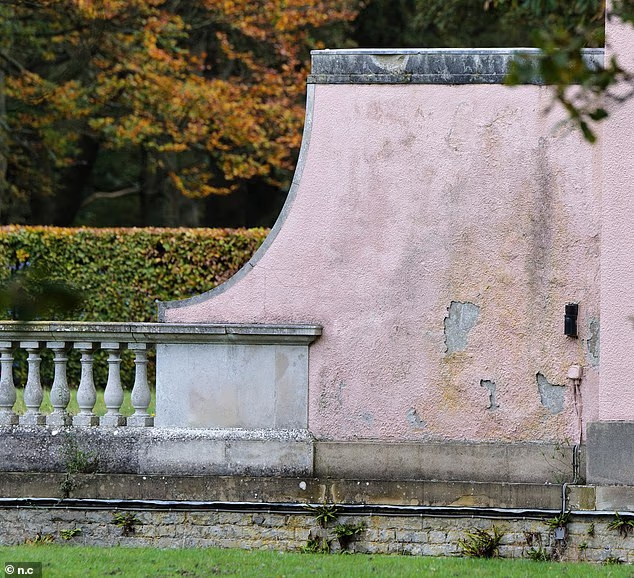
Those familiar with the arrangement maintain that the reported loan was specifically intended to settle the Royal Lodge property obligations.
Andrew’s Long Residence At Royal Lodge Comes To An End
Andrew’s departure marked the conclusion of a long and increasingly controversial chapter at the Windsor estate.
The former Duke of York had occupied Royal Lodge for more than 20 years under an agreement that allowed him to remain at the property while meeting his maintenance responsibilities.
His removal followed renewed controversy surrounding his past association with convicted sex offender Jeffrey Epstein.
After leaving the mansion earlier this year, Andrew was required to settle the outstanding obligations attached to the lease.
The Crown Estate has now confirmed that the agreement has formally ended.
With the property returned decades ahead of schedule, the organisation intends to explore opportunities for its future use.
Two nationally recognised property agents are expected to handle the marketing process.
The Crown Estate has emphasised that any future arrangement must protect the character of Windsor Great Park while delivering appropriate financial value.
Fresh Questions Surround Andrew’s Financial Future
The settlement has placed renewed attention on the relationship between King Charles and his younger brother.
Although Andrew no longer carries out official royal duties, the reported loan suggests that Charles continues to assume a degree of financial responsibility for him.
The situation is particularly sensitive because the Crown Estate operates commercially, with its profits ultimately benefiting the Treasury.
By reportedly providing the money privately, Charles has sought to keep the repair settlement separate from public funding.
Nevertheless, the size of the payment and uncertainty surrounding repayment are likely to fuel further questions about Andrew’s financial circumstances.
After more than two decades at Royal Lodge, Andrew has surrendered his lease, left behind a £1.8 million repair assessment and benefited from a £302,000 contractual reduction — while King Charles has reportedly stepped in to cover the remaining £1.5 million.
Whether that substantial sum will ever be returned to the monarch remains unanswered.